By 2Fifty Designs – September 2026
7 Things Every Contractor Website Should Have
Your website should do more than prove your business exists. A good contractor website should showcase your work, build trust and make it easy for potential customers to take the next step.
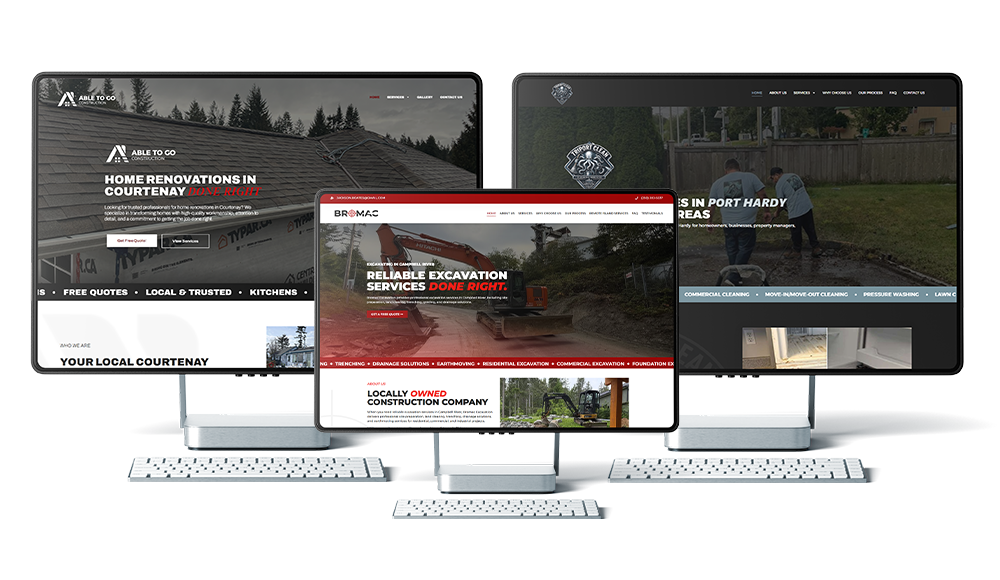
When someone needs a contractor, there’s a good chance they’ll look you up before they ever call. Your website is often one of their first impressions of your business.
Whether you’re in construction, excavation, landscaping, HVAC, roofing or another trade, there are a few things your website should make incredibly easy: understanding what you do, seeing the quality of your work and getting in touch.
Here are seven things I’d recommend including.
01. A Clear Explanation of What
You Do
Don’t make potential customers figure it out. One of the most important jobs of your homepage is answering a simple question:
“Am I in the right place?” Within the first few seconds of visiting your website, someone should be able to understand what your company does, where you work and what they should do next. A headline like “Quality You Can Count On” might sound good, but it doesn’t actually tell a new visitor much about your business.
02. An Easy Way to Request a Quote
Make the next step obvious. You’ve convinced someone that you offer the service they need. Now don’t make them hunt around your website trying to figure out how to contact you. For most contractors, one of the primary goals of the website should be generating calls and quote requests. That means having clear calls-to-action throughout the site, not just a phone number buried in the footer or a contact form hidden on another page.
Consider including:
- Request a Quote buttons throughout the website
- A phone number that’s easy to find
- Click-to-call buttons for mobile visitors
- A simple contact or estimate form
- Calls-to-action at the end of important service pages
Keep your quote form simple, too. You usually don’t need to ask a potential customer 20 questions before they’ve even spoken to you. Collect the information you actually need to start the conversation, such as their name, contact information, location, service they’re interested in and a brief description of their project. The easier you make it to contact your business, the fewer opportunities you give someone to leave and call the next contractor.
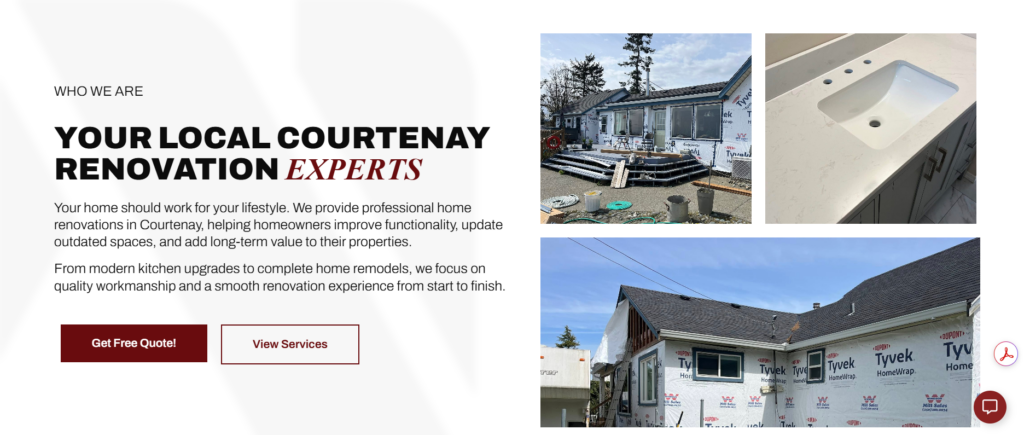
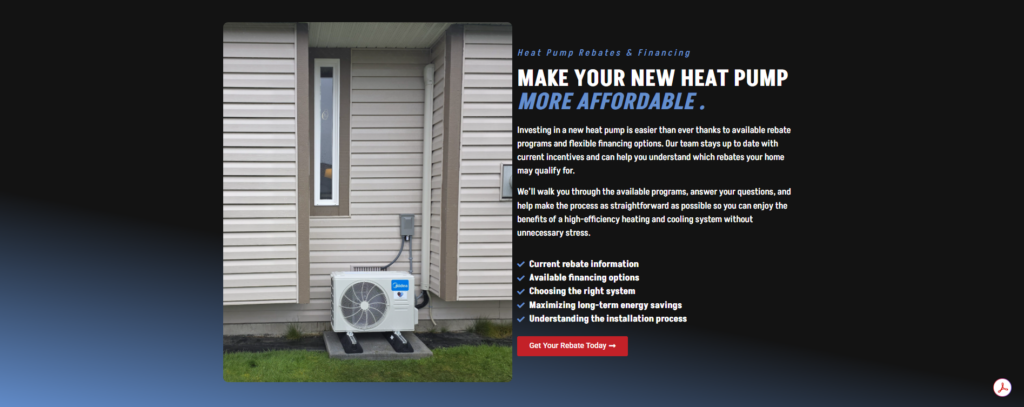
03. Photos of Your Actual Work
Your work is one of your best sales tools. One of the biggest advantages contractors and trades businesses have when marketing themselves is that the results of their work are often highly visual.
Use that.
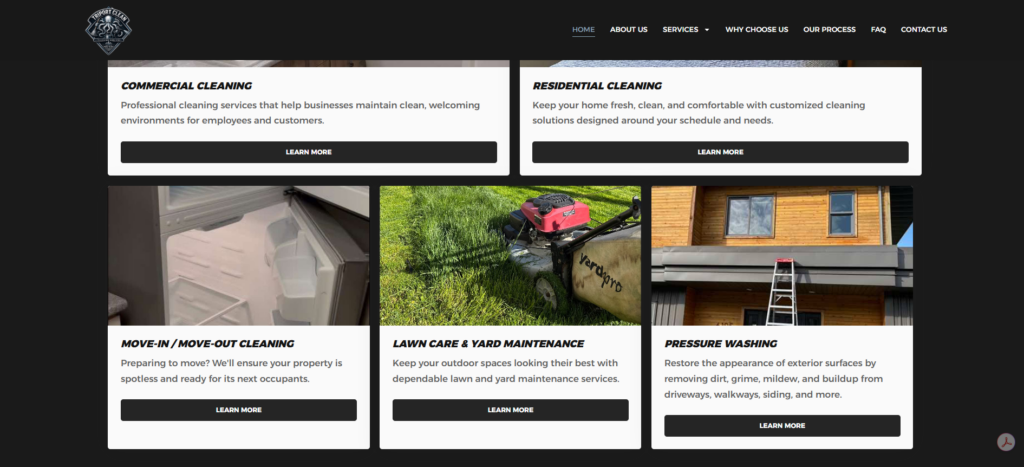
Potential customers don’t just want to read that you do great work. They want to see it. A strong contractor website should feature real photos of completed projects throughout the site. These can be incorporated into your homepage, service pages, project galleries and dedicated portfolio pages. If you’re a landscaper, show completed yards.
If you’re an excavation company, show site preparation, land clearing and finished projects. If you’re a builder, show homes you’ve completed. If you’re a painter, roofer or renovation company, before-and-after photos can be especially powerful.
Professional photography is great, but don’t let not having professional photos stop you. Good-quality photos from a modern phone can still be far more valuable than filling your entire website with generic stock photography. Over time, make it a habit to photograph your work. Every completed project isn’t just another job — it’s also potential content that can help you win the next one.
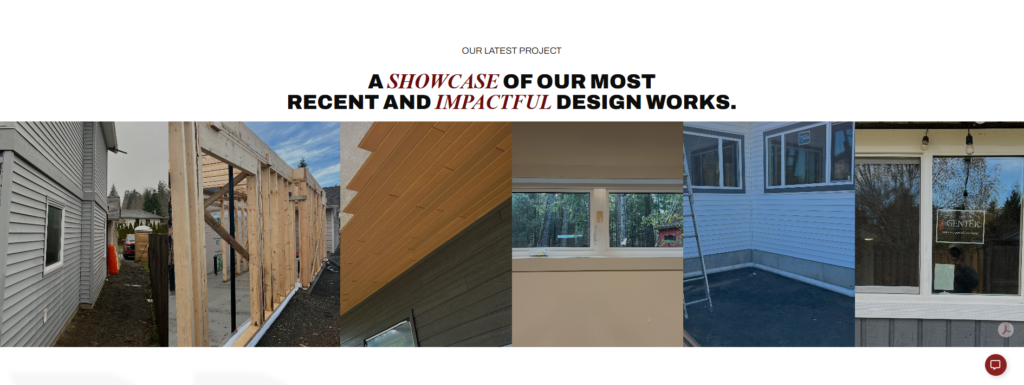
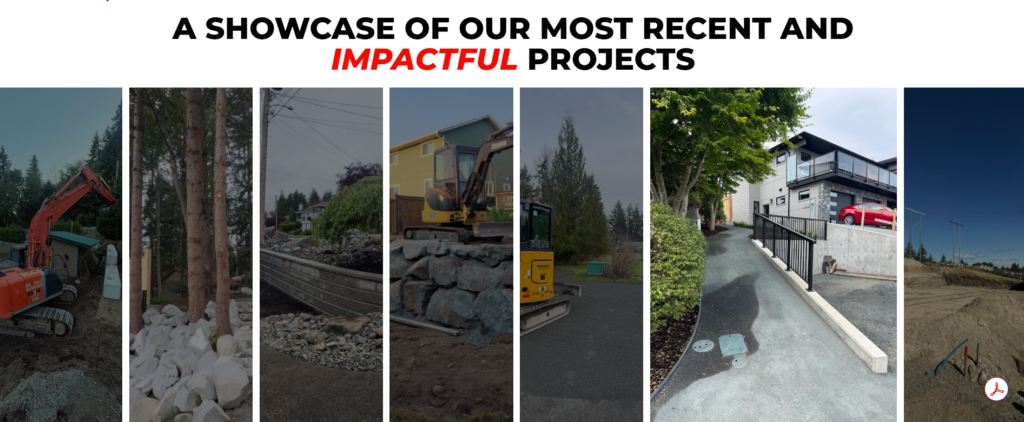
04. Individual Pages for Your Main Services
Give your services room to breathe. A common mistake on contractor websites is trying to explain everything the business does on one page.
You might have a section that looks something like:
Our Services
Excavation
Land Clearing
Site Preparation
Drainage
Demolition
And that’s it.
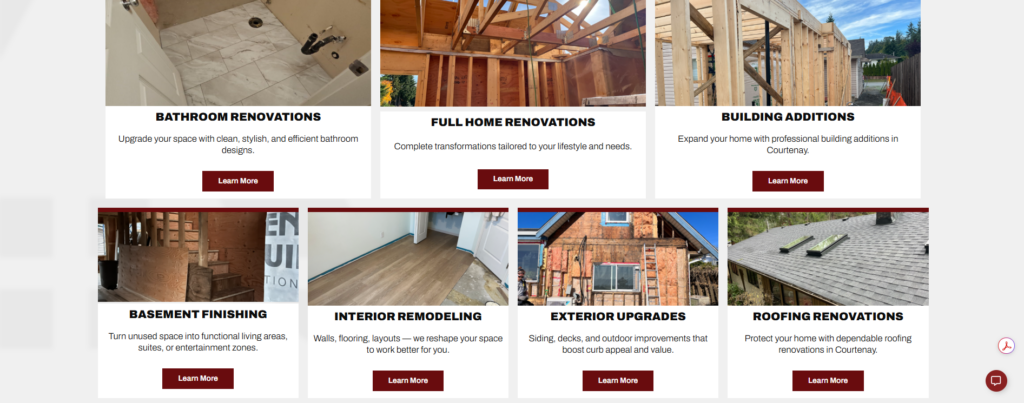
The problem is that someone looking specifically for land-clearing services doesn’t get much information about your land-clearing work. Instead, consider creating dedicated pages for your most important services.
For an excavation company, that could mean:
Excavation
Land Clearing
Site Preparation
Drainage
Demolition
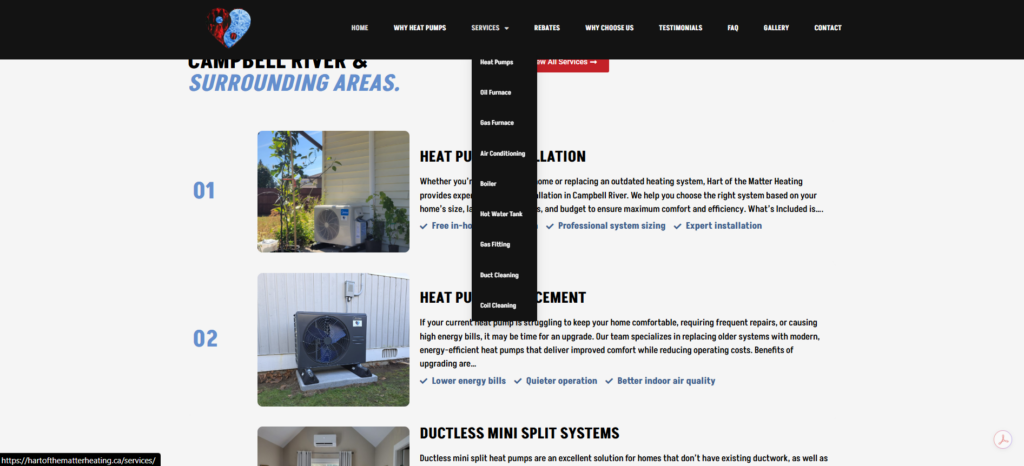
Each page can explain what the service includes, the types of projects you take on, areas you serve, frequently asked questions and examples of related work. This is better for potential customers because they can actually learn about the service they’re interested in. It can also give search engines a clearer understanding of the different services your business provides. You don’t necessarily need a separate page for every tiny service you offer. Focus on the major services that customers are actually looking for and that you want more business for.
05. Reviews & Reasons to Trust You
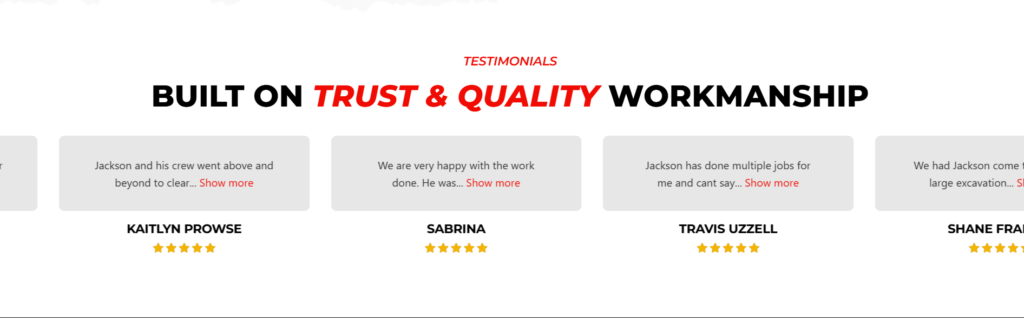
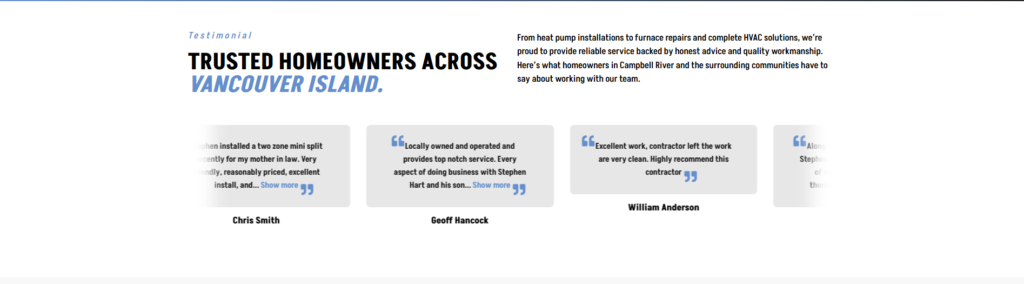
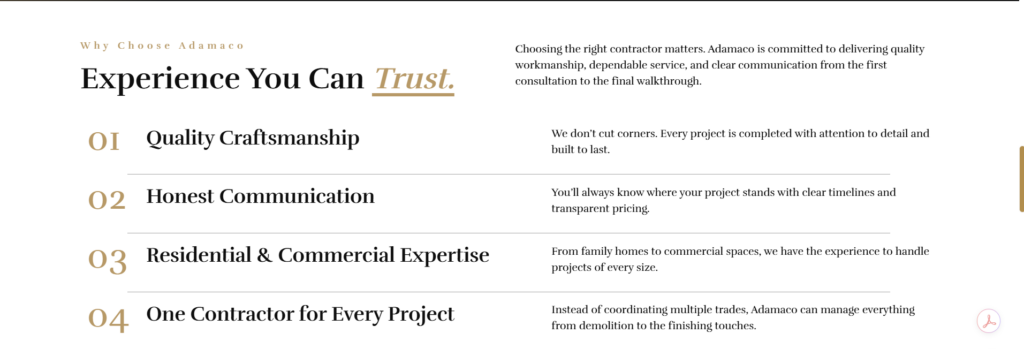
Give potential customers confidence before they call. Hiring a contractor can be a significant decision. Customers may be trusting someone with their home, property or a project worth thousands of dollars. Before reaching out, they’re naturally going to want some reassurance that they’re dealing with a reputable business. Your website should help provide it. Customer reviews and testimonials are one of the easiest ways to do this. Instead of making visitors leave your website to find out what previous customers think, feature some of your strongest reviews directly on the site.
Depending on your business, other trust signals could include:
Google reviews
Years of experience
Licences and certifications
Insurance information
Industry associations
Warranties
Brands or products you work with
Photos of your team
Completed project examples
You don’t need to cover your website in badges and credentials. The goal is simply to answer the question a potential customer is already asking:
“Can I trust this company with my project?”
Real reviews, real projects and real information about your business go a long way toward answering that question.
06. Clear Information About Where You Work
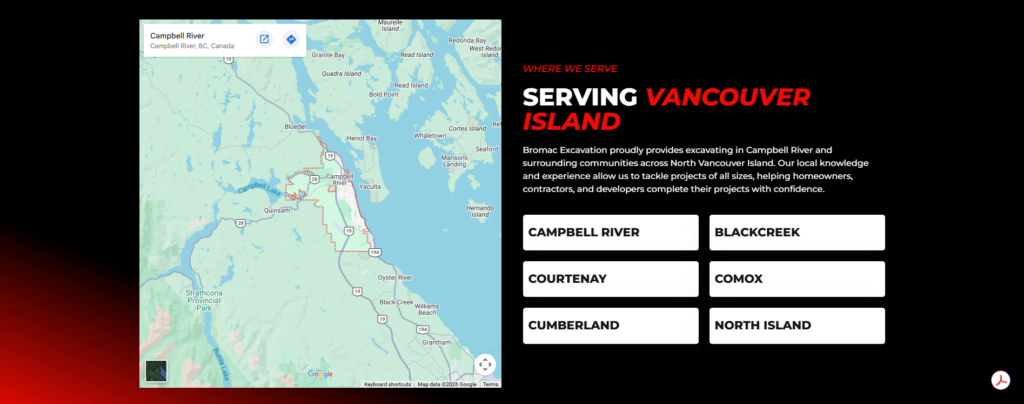
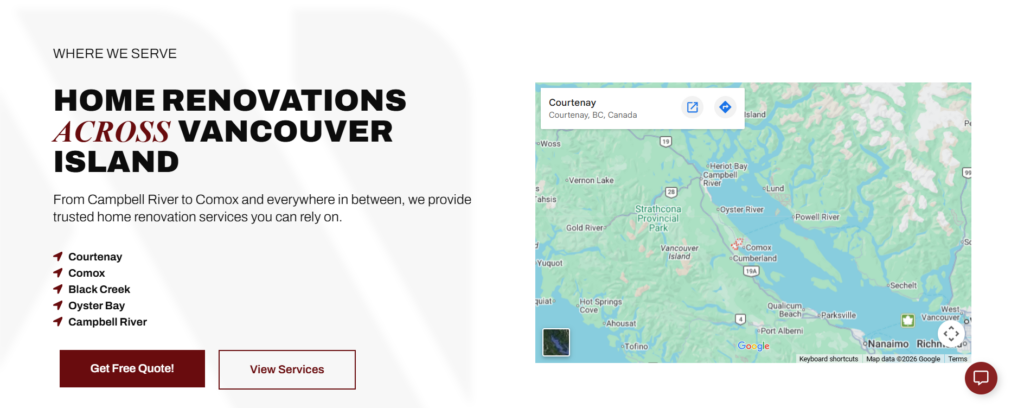
Make your service area easy to understand. If you operate a local service business, visitors shouldn’t have to wonder whether you’ll actually come to their area. Clearly state the communities and regions your business serves.
Instead of only saying: Serving Vancouver Island
you could be more specific: Proudly Serving Campbell River & Surrounding Areas
Providing excavation services throughout Campbell River, Courtenay, Comox, Black Creek, Sayward and surrounding Vancouver Island communities.
This helps customers quickly determine whether they’re within your service area. It can also provide useful geographic context to search engines about where your business operates. If you cover a larger region, you can have a dedicated Service Areas section or page that explains your primary locations in more detail. Just avoid creating dozens of nearly identical pages where the only thing that changes is the city name. Your location content should actually be useful to someone in that community.
07. A Great Mobile Experience
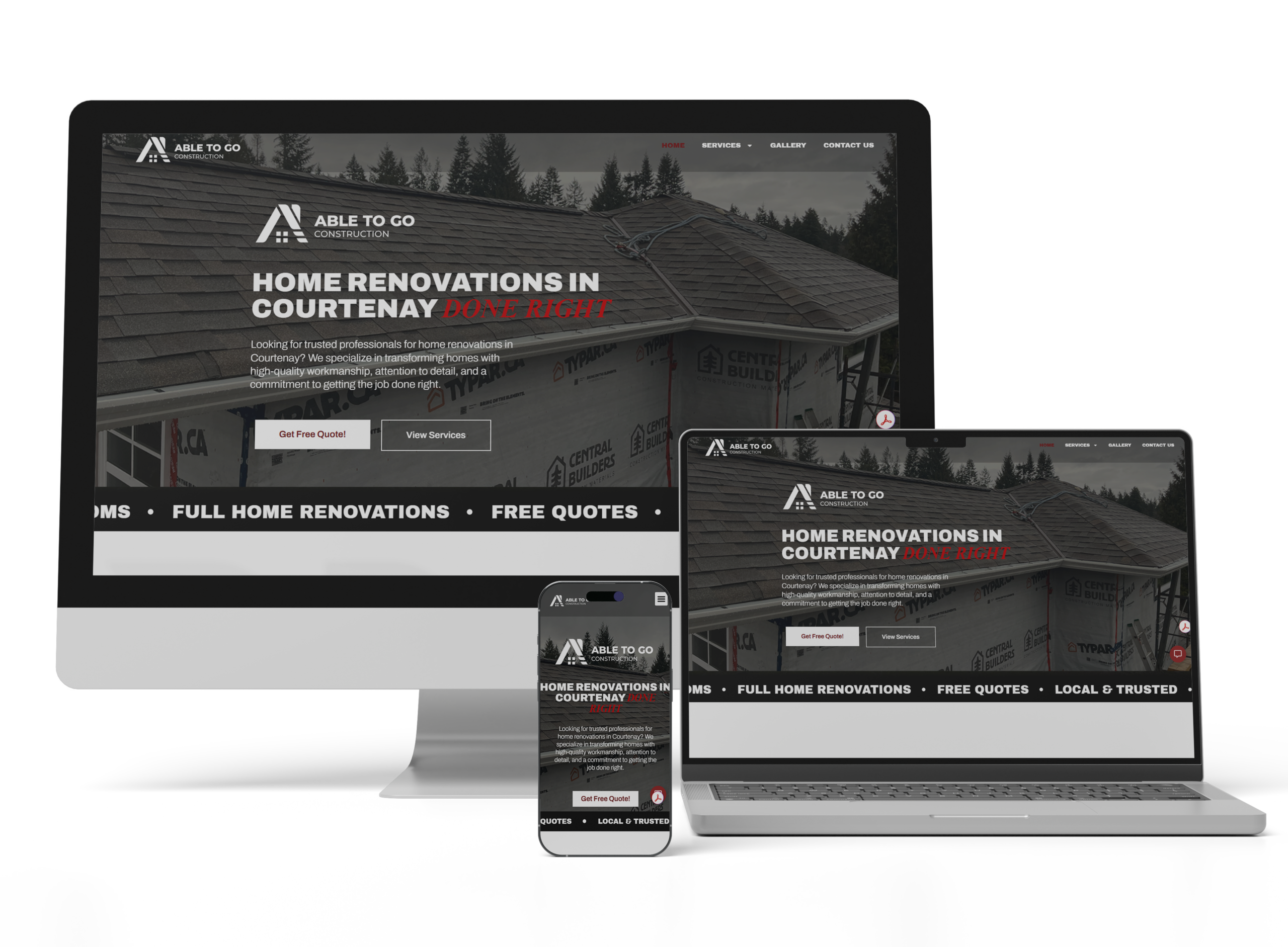
Your website needs to work just as hard on a phone. Take out your phone and visit your current website. Can you immediately tell what your business does? Can you easily navigate the site? Can you tap your phone number to call? Can you fill out the quote form without constantly zooming in?
If not, there’s a problem.
A mobile-friendly contractor website isn’t simply a desktop website squeezed onto a smaller screen. It should be designed around how someone actually uses a website from their phone.
That means:
-
Easy-to-read text
-
Simple navigation
-
Large, easy-to-tap buttons
-
Click-to-call phone numbers
-
Fast-loading images
-
Short, mobile-friendly forms
-
Clear calls-to-action
-
Content that’s easy to scan
Imagine someone standing in their backyard looking for a landscaping company, or a homeowner discovering a leak and searching for a roofer. They’re probably not sitting at a desktop computer. Making it easy for mobile visitors to find what they need and contact you can make a major difference in how effectively your website generates enquiries.